Guide
Greedy Growers Beginner's Guide: Beat the Lightning, Grow Your First Fortune
Everything a new player needs: the planting loop, harvesting around lightning strikes, passive garden income, weather mutations, pets and Rebirth planning.
Overview
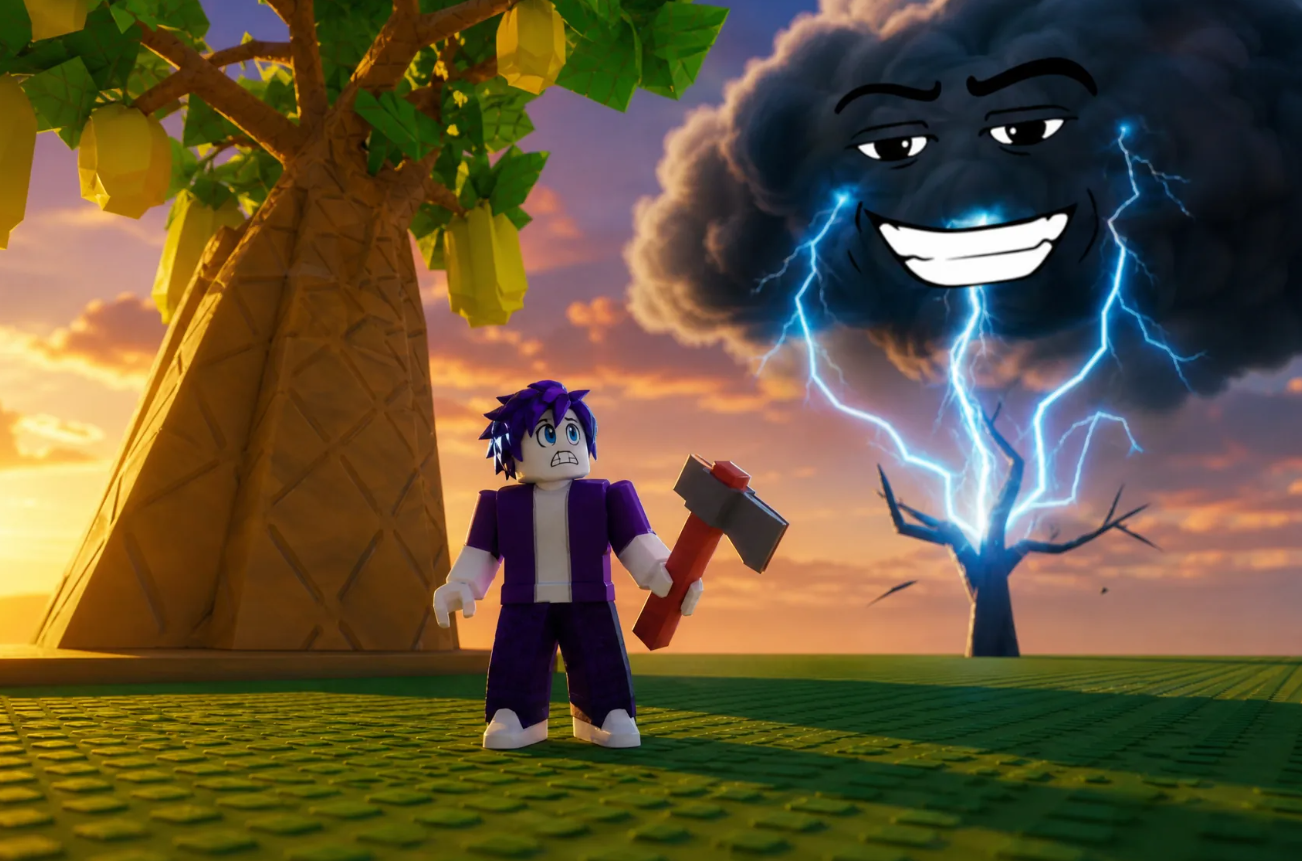
Greedy Growers keeps coming back to the same tense choice. A planted tree is worth more the longer it stays in the ground, but at any moment a lightning strike can arrive unannounced and wreck it. You can lock in profit now by harvesting, or roll the dice and let the value climb. Most of the game is learning to make that call well instead of guessing.
Quick Start
Spend Cash on a seed you can afford, plant it on an empty plot, wait for its value and multiplier to rise, then sell it before lightning can ruin the tree. Put the Cash straight back into the next seed and run the loop again.
The Buy-Grow-Harvest Loop
Everything you do feeds this short cycle. Seeds cost Cash, so a healthy balance is what lets you keep planting, and every harvest is what refills it.
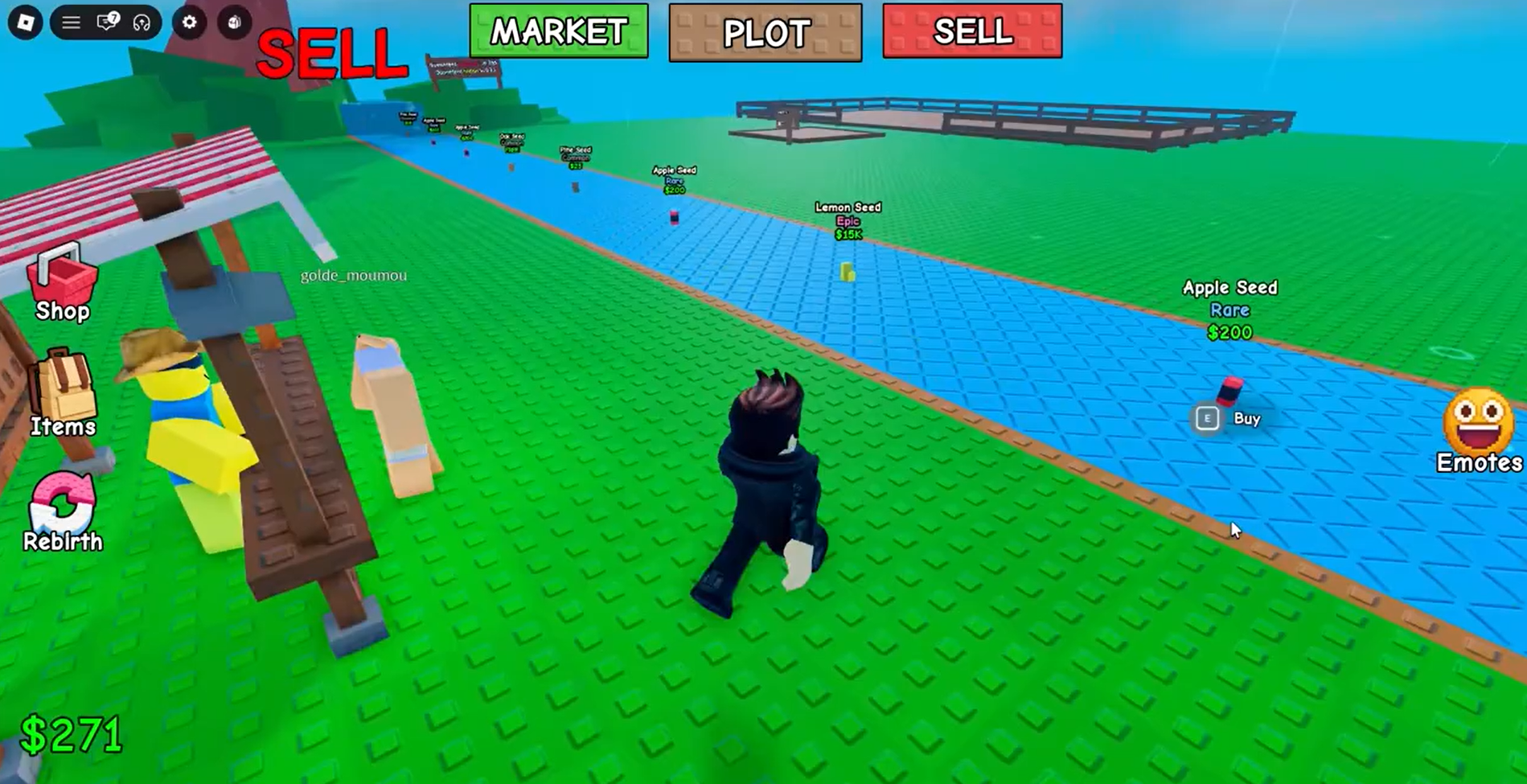
- 1Buy at the river stalls in the middle of the map. Pick something your balance can absorb without going broke.
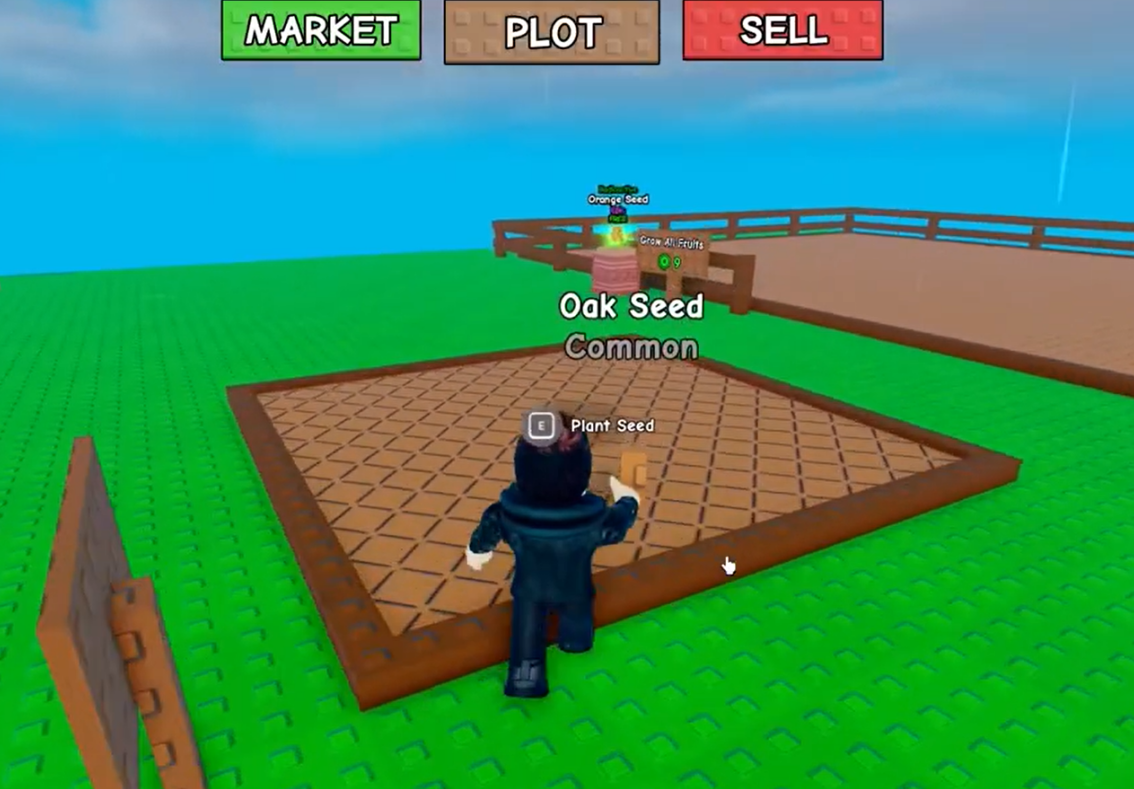
- 2Plant the seed on an open plot and leave at least one plot free, so a new seed always has a home.
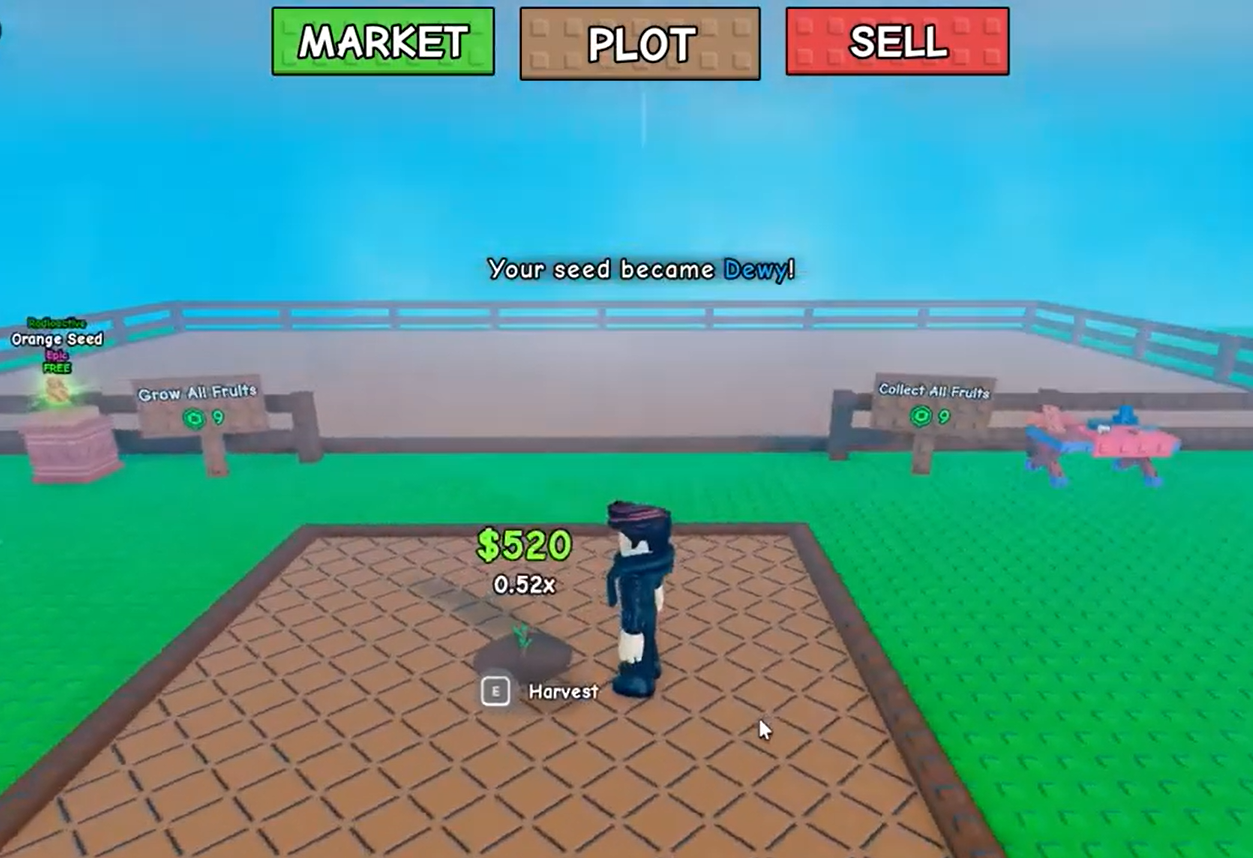
- 3Let it grow and watch the two numbers that matter — the tree's Cash value and its multiplier — both climb together.
- 4Hit Harvest once the payout is worth banking, sell the tree, and spend the Cash on your next seed.
Timing Harvests Around Lightning
Lightning gives no warning. A tiny sapling can be wiped out minutes after you plant it, and a towering tree can survive for hours — so the only thing you actually control is the harvest moment. Early on, selling at modest multipliers on a steady rhythm will grow your money faster than babysitting one giant tree, because losses barely slow you down. A real Cash reserve is the key to graduating to riskier grows: once one wrecked tree won't end your session, holding for bigger multipliers stops being a coin flip. Before you hold, you can check your real odds in the lightning risk calculator.
| Where you are | Recommended move | Risk | Why it works |
|---|---|---|---|
| Early game | Harvest at low multipliers and keep the money moving | Low | Builds your first bankroll and teaches you growth timing |
| Mid game | Harvest steadily, then move healthy trees into your garden | Medium | Passive fruit income starts to carry part of your progress |
| Late game | Hold trees longer and chase high multipliers | High | Worth it only when a cash reserve can survive the losses |
Rule of thumb: without spare Cash, don't gamble. Greed needs a safety net.
Your First 15 Minutes, Done Right
New players usually fail by aiming too high too fast. Run these first few minutes like this instead:
- 1Start with budget seeds — Oak is free, Pine costs around $25, and the entry Rares (Apple, Peach, Fig) are only a few hundred. Stay inside your means.
- 2Keep enough Cash for one or two replants at all times, so a single strike is a setback, never a restart.
- 3Leave a plot open and manage only one or two trees while you learn how fast they grow.
- 4Harvest, sell, and re-buy quickly. Early turnover beats hoarding: after a few cheap cycles you'll have both a feel for the game and a bankroll to move up with.
Compare seed prices and rarities in the seed database before you decide what to plant.
Healthy Trees, Dead Trees, and What Each Is Worth
A tree's fate after harvest comes down to whether lightning reached it first.
Healthy tree
What you can do
- Sell it at the shop for its full Cash value.
- Move it to the garden behind your plot, where it keeps producing fruit for passive income.
Dead tree
What happens
- It sells for only a fraction of its value.
- It cannot be placed in the garden, so its second life is gone.
That difference is the whole harvest trade-off: bank a healthy tree's value now, or keep waiting and risk lightning leaving you with a nearly worthless husk.
Let Your Garden Farm in the Background
Move healthy trees to the garden and they keep paying without your attention. Each species produces fruit on its own timer — pick a Coconut and the next one is ready in roughly two minutes — and you can sell that fruit whenever you like. Because garden trees sit away from the main storm-exposed field, this income keeps flowing while you buy, plant and harvest on the front plots. A full garden quietly becomes the foundation of everything else you do.
Weather Mutations Turn Cheap Fruit Into Jackpots
When a weather event rolls through, garden fruit has a chance to mutate into a much pricier version. The four most valuable ones come from weather:
Dewy
During Misty Fog weather
Radioactive
During Acid Rain weather
Golden
During Rainbow weather
Cosmic
During Meteor Shower weather
Lightning can leave a tree that survives the strike with Shocked (2.5x) or Charged (7.5x), depending on how big it was when hit.
The habit worth building: keep the garden stocked, check the fruit whenever the weather changes, and sell anything carrying a big multiplier. See every mutation and trigger or the weather event list.
Fertilizers Shape How a Tree Grows
You begin with the basic fertilizer only; the stronger ones appear as you Rebirth. Pick an unlocked fertilizer before planting and it changes the grow — a higher multiplier floor, faster maturation, or better mutation odds. The higher tiers matter most once you're chasing late-game growth, but using whatever you have unlocked is never wasted.
Earning Tickets for Eggs and Furniture
Tickets buy pet eggs and furniture, so they stay relevant long after Cash stops being scarce. Three sources cover most of what you need:
- Fill your Index — every first discovery (seed, fruit, pet, worm or mutation) pays out Tickets.
- Deliver the fruit the Farmer's Market asks for, especially anything rare or mutated, for bigger payouts.
- Redeem codes, which regularly hand out free Tickets.
Index progress matters twice, because collecting discoveries also moves you toward better pets. Grab any free Tickets from the codes page.
Pets, Eggs, and the Buffs Worth Chasing
Eggs bought at the pet shop hatch into companions with passive effects that speed the whole game up — faster fruit, better mutation chances, occasional free seeds, and in some cases lightning protection. Ticket eggs start around 100 Tickets for the Common Egg and climb to 2,000 for the Mythic; a separate Majestic Egg lives in the Robux shop. When you can, prefer pets that raise overall efficiency rather than niche gimmicks. Every egg's drop table and every pet ability is in the pets & eggs database.
| Egg | Currency | Hatches |
|---|---|---|
| Common Egg100 Tickets | Tickets | Squirrel, Bunny, Mouse |
| Rare Egg200 Tickets | Tickets | Dog, Cat, Robin |
| Epic Egg500 Tickets | Tickets | Chicken, Roach, Woodpecker |
| Legendary Egg1,000 Tickets | Tickets | Cow, Sheep, Pig, Raccoon |
| Mythic Egg2,000 Tickets | Tickets | Frog, Magpie, Turtle, Monkey, Alligator |
| Majestic EggRobux Shop | Robux | 5 exclusive pets |
One pet from each egg's pool drops when it hatches — the exact rates are in the pets & eggs database.
Planning Your Rebirths Instead of Rushing Them
Rebirths are the real long-term lever. Reaching a new level spends the full Cash requirement and wipes your current Cash and seeds, but permanently unlocks the next tier of content — better fertilizers, extra plots, the Lucky Wheel and more. The mistake new players make is treating it like a button to push the moment it lights up. Rebirth when your garden is already producing and you can absorb the reset, and never without a mental plan for the first seeds you'll buy after. Walk through every level and cost in the Rebirth guide, and check how long your setup needs to reach the next target with the Rebirth calculator.
Three Mistakes That End New Runs
Spending your whole balance on one expensive seed, then losing it to the first lightning strike with nothing left to replant.
Keep a Cash reserve for replacements and learn the rhythm on cheap seeds before stepping up.
Selling every healthy tree for instant Cash and never building a garden.
Once trees are profitable, move the good ones to the garden so passive fruit income compounds behind your active farming.
Triggering a Rebirth without a plan, then finding you can't even afford the next seed.
Rebirth only when your garden is producing and you have a reserve — and after moving everything you can off the field.
FAQs on Greedy Growers
How does the game work?
You plant seeds on plots, wait for each tree's Cash value and multiplier to climb, then harvest before a lightning strike can destroy it. Healthy trees can be sold or moved to a garden for passive fruit, and over time you collect Tickets, hatch pets and complete Rebirths.
How do you get seeds in Greedy Growers?
Buy them at the river stalls in the middle of the map. Cheap starters like Oak are free, while higher-rarity seeds cost steadily more Cash. Beginners should keep enough Cash aside for replacements so a single lost tree doesn't end the run.
What can you do with healthy trees?
A healthy, unstruck tree can be sold at the shop for its full Cash value, or placed in the garden behind your plot where it produces fruit as passive income. A dead tree — one that took a lightning hit — sells for only a fraction of its value and cannot go in the garden.
How do you unlock new fertilizers?
You start with the basic fertilizer only. Stronger fertilizers unlock as you complete Rebirths — the more advanced your Rebirth level, the higher-tier fertilizer you can use. See the fertilizer database for the full list and each unlock requirement.
How to get Tickets?
Tickets mainly come from three places: filling your Index with new discoveries, delivering the fruit the Farmer's Market asks for, and redeeming codes. Tickets buy pet eggs and furniture.
The players who get rich in Greedy Growers aren't the ones who gamble hardest — they're the ones who farm reliably, bank the profit, stock a garden, and only raise the stakes once the reserve can take the hit. Build the loop, then let the reserve decide how much lightning you're willing to stand under.
Keep Exploring
Jump to related Greedy Growers guides, tools and databases.